
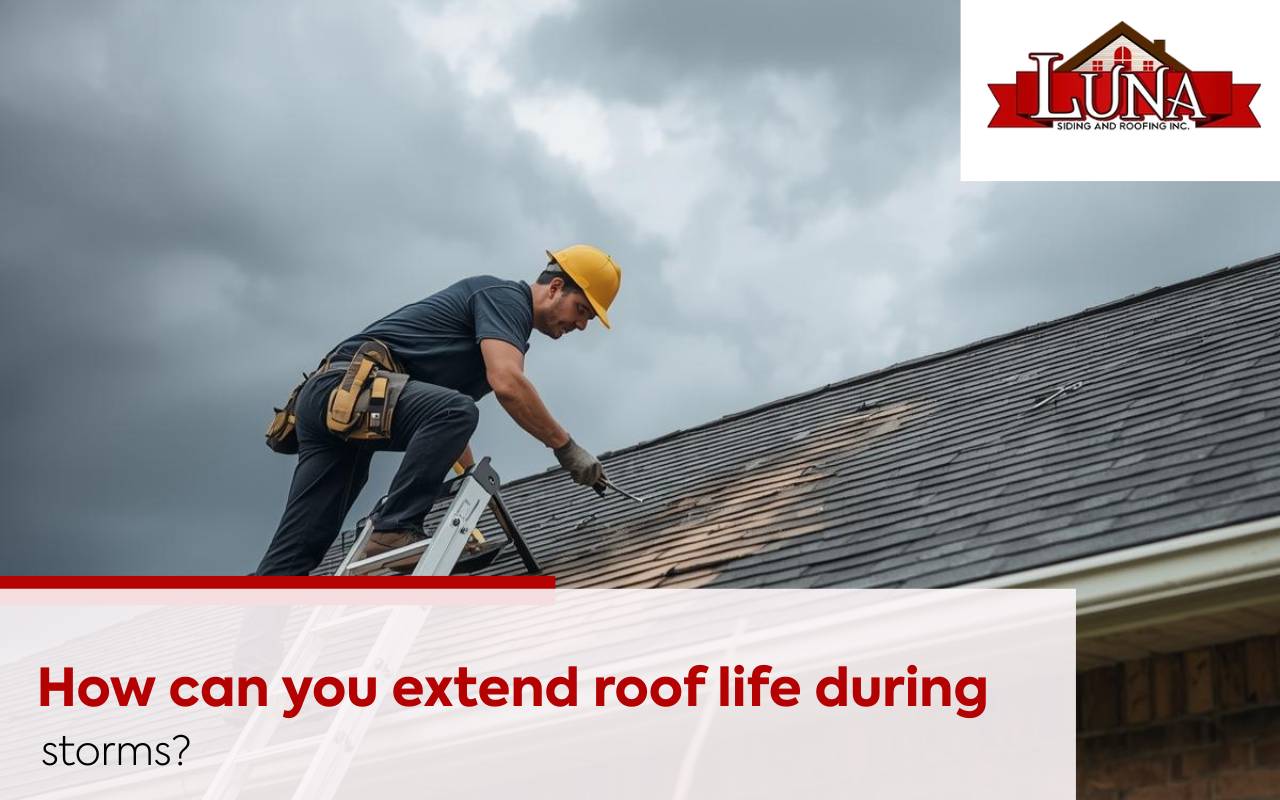
How can you extend roof life during storms?
Storms don’t have to shorten your roof’s lifespan. With a few practical habits and low-cost upgrades, you can prevent leaks, shingle loss, and costly repairs. This guide distills expert, field-tested steps any homeowner can take before, during, and after severe weather to protect the structure overhead and your budget—so you confidently Extend Roof Life Storms all year. long. In practice,
How can you extend roof life during storms?
Focus on three pillars: (1) find and fix weak points early, (2) move water off and away fast, and (3) add wind/hail defenses where it counts. When you combine inspections, clear gutters, sealed flashing, and wind-rated components, you dramatically Extend Roof Life Storms with simple, repeatable actions you can schedule each season.
Understanding Roof Vulnerabilities to Storm Damage
Strong winds and heavy rain strain shingles, flashing, and underlayment. Tiny breaches let moisture into decking, fostering rot and mold. Hail erodes protective coatings and weakens materials over time. By mapping where failures start—edges, penetrations, and worn shingles—you can plan targeted fixes that Extend Roof Life Storms before the next weather front arrives.
Key Risks During Storms (What to Watch)
- Lifted or missing shingles at eaves, rakes, and ridges.
- Compromised flashing around chimneys, vents, and skylights.
- Clogged gutters/downspouts causing overflow and ice dams.
- Soft spots or dark streaks signaling trapped moisture.
- Tree limbs overhanging the roof and wind-borne debris.
Importance of Regular Roof Inspections
Inspect twice a year—spring and fall—and after severe events. Use stable ladders or binoculars from the ground. Note curled shingle edges, granule loss, loose nails, and cracked sealant at penetrations. A checklist helps you Extend Roof Life Storms by catching little problems before they become big, insurance-claim-level issues.
Storm-Ready Upgrades (High-Impact, Low-Cost)
- Synthetic underlayment for backup waterproofing.
- Impact-resistant shingles and wind-rated fasteners.
- Metal drip edge at eaves/rakes to block wind-driven rain.
- Secondary water barrier (peel-and-stick) in leak-prone zones.
- Hurricane clips/straps to lock roof framing to walls.
Reinforcing Roofing Materials for Increased Durability
Upgrading to thicker or impact-resistant shingles, adding reflective/sealing topcoats, and using wind-rated nails improve performance during gusts. Where applicable, consider specialized fasteners at starter courses and ridge lines. These practical swaps Extend Roof Life Storms by hardening the system’s most exposed components.
Securing Loose Shingles and Flashing
Lifted edges invite wind and water. Re-adhere tabs with roofing cement and replace fatigued shingles. Re-seat flashing with compatible sealant and correct fastening. Keep an eye on rust, gaps, and dried caulks—tight, continuous seals are essential to Extend Roof Life Storms when gusts arrive.
Gutter & Debris Maintenance Checklist
- Clean gutters/downspouts each spring and fall; flush with a hose.
- Install guards or mesh where leaf drop is heavy.
- Trim back overhanging branches; remove roof debris after storms.
Direct water away from the foundation with splash blocks or extensions. This protects fascia, soffits, and siding while helping Extend Roof Life Storms across seasons.
Installing Storm-Resistant Roofing Accessories
Hurricane clips and straps create a continuous load path that resists uplift. Drip edges keep wind-blown rain from wicking under shingles. In snowy climates, snow guards can reduce slide damage. These accessories reinforce the whole system so you Extend Roof Life Storms with stronger connections.
Enhancing Roof Ventilation for Better Storm Protection
Balanced intake (soffit) and exhaust (ridge) venting dries incidental moisture and stabilizes attic temperatures, reducing rot and ice-dam risk. Keep vents unobstructed by insulation or debris to maintain airflow and durability.
How to Storm-Proof Your Roof This Weekend
- Create a 20-minute inspection loop: edges, penetrations, ridges, gutters.
- Seal hairline flashing gaps with compatible roofing sealant.
- Replace 5–10 visibly fatigued shingles; re-adhere lifted tabs.
- Install drip edge on exposed eaves/rakes if missing.
- Clean and flush gutters; add downspout extensions.
- Schedule a pro assessment for straps, decking, or underlayment upgrades.
Frequently Asked Questions
How often should I clean gutters to protect my roof?
At least twice yearly—spring and fall—and more often under heavy leaf drop or after major storms. Clear, fast drainage helps Extend Roof Life Storms by preventing overflow and ice-dam formation.
Do impact-resistant shingles really help?
Yes. Class-rated, impact-resistant shingles reduce hail damage and granule loss, improving service life. Pair them with wind-rated fasteners for better storm performance.
What signs mean my flashing needs attention?
Rust, gaps, lifted edges, dried sealant, and interior stains near chimneys/vents. Reseal or replace promptly to Extend Roof Life Storms and prevent hidden deck damage.
Can I do inspections without climbing on the roof?
Yes—use binoculars, a drone, or pro services. You’ll still spot missing shingles, sagging gutters, and debris piles from the ground.
When should I call a professional roofer?
For steep pitches, structural issues, widespread shingle loss, new underlayment, or installing hurricane clips/straps. Pros also document conditions for insurance and help you Extend Roof Life Storms efficiently.
Utilizing Professional Roofing Services for Longevity
Licensed roofers bring safety gear, diagnostic tools, and regional expertise. They can stage repairs, recommend materials for your climate, and provide a clear plan and budget. For flat systems, review this internal resource: Flat Roof Replacement. Ready to book service? Contact Us.
Harnessing Technology for Monitoring and Maintenance
Moisture sensors, camera drones, and maintenance apps help you log inspections, flag leaks early, and schedule tasks. Faster detection means smaller fixes—and a smarter path to Extend Roof Life Storms with less guesswork.
Safeguarding Your Roof for Years to Come
Consistent inspections, clear drainage, tight flashing, and targeted upgrades put you ahead of severe weather. Combine DIY routines with pro reinforcement, and you’ll Extend Roof Life Storms while avoiding costly emergency repairs.